
 Web Desk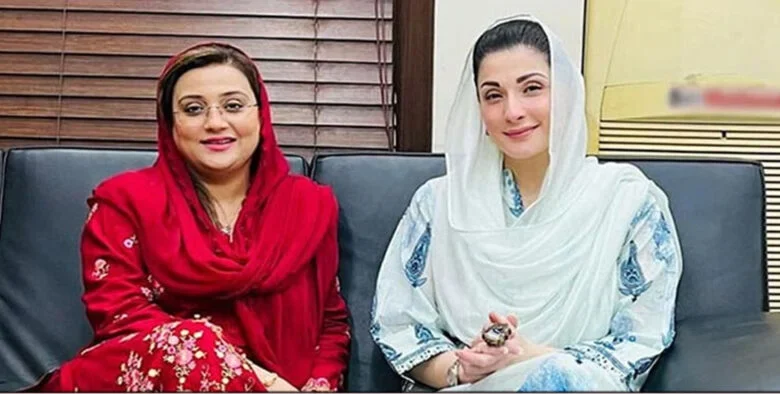
The tragic deaths of a mother and her infant daughter after falling into an open sewer near Bhati Gate in Lahore have sparked widespread outrage, not only over administrative negligence but also over the incident initially being termed “fake news” by Punjab Information Minister Azma Bukhari.
The case has triggered intense criticism across social media and journalistic circles, particularly after it emerged that the claim of “fake news” did not originate from a YouTuber or private media outlet, but from the provincial information minister herself. The controversy deepened further after the bodies of the victims were recovered and the incident was confirmed, prompting questions over accountability and official conduct.
Despite the backlash, Punjab Chief Minister Maryam Nawaz publicly defended Azma Bukhari and issued her a clean chit. According to the chief minister, the information minister merely relayed the details provided to her by official sources, and therefore bore no personal responsibility. However, this stance has raised serious questions online, with critics asking whether a constitutional office-holder can escape moral and political responsibility simply by claiming to have passed on incomplete or incorrect information.
Growing Public Outrage
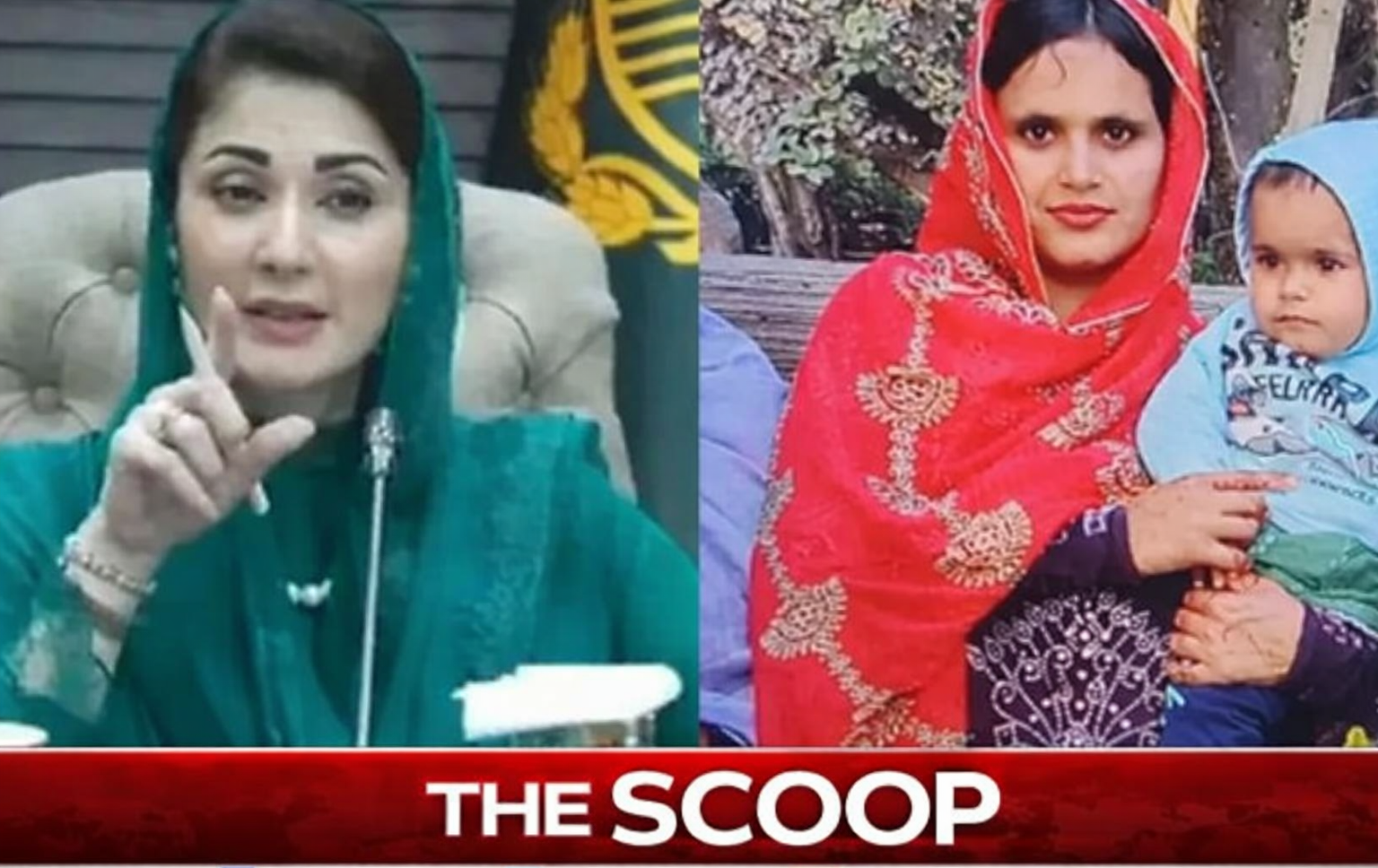
Public anger intensified after it was revealed that the victims — 24-year-old Saadia and her nine-month-old daughter Rida Fatima — had fallen into an open manhole near Data Darbar. Initially, the Punjab government dismissed reports of the incident as fake news, with Information Minister Azma Bukhari stating that rescue teams had found no evidence to support the claim.
However, following protests by the victims’ family, the chief minister ordered continuation of the search operation. Several hours later, the bodies of the woman and her child were recovered nearly three kilometres away, confirming the tragedy and igniting widespread condemnation.
Social media users, journalists, and civil society figures questioned whether Pakistan’s PECA laws — often invoked against journalists and critics — would also apply in this case, or whether the label of “fake news” is selectively used only against dissenting voices.
Journalists and Public Figures React
Prominent anchorperson Iqrar-ul-Hassan termed the incident deeply disturbing, stating that the initial denial of such a tragic event was unacceptable. He questioned whether a similar level of outrage would have followed had the incident occurred in another province.
Journalist Rizwan Ghazali questioned whether PECA laws would be invoked against those who falsely declared the incident as fake news. Meanwhile, journalist Saqib Bashir remarked that governments often act hastily without verification, adding that patience and fact-checking are essential — especially when lives are involved.
Nida Athar questioned how an uncovered manhole could exist in a major city and demanded accountability from those responsible. Another user asked whether the death of a mother and child could really be dismissed so casually as fake news. Maryam Nawaz Khan, commenting critically, said that dismissing the incident as fake news merely to protect government performance was deeply troubling and reflected a lack of empathy.
Usama Zahid questioned whether Azma Bukhari would apologise or resign now that the facts had been established, while another user, Akbar, called for her resignation over what he described as a deeply insensitive response to a human tragedy.
Maryam Nawaz Defends Azma Bukhari
Following intense public reaction, Chief Minister Maryam Nawaz reiterated her support for the information minister, stating that Azma Bukhari had only relayed the information provided to her through official channels. She maintained that the minister had committed no wrongdoing and should not be held responsible.
However, in a significant development, Azma Bukhari later issued a public apology to the bereaved family. She stated that she was deeply remorseful and apologised on behalf of herself, the chief minister, and the Punjab government. She added that she had even offered to resign, but was told by the chief minister that she was not at fault. Nonetheless, she said she remained deeply saddened and ashamed by the tragedy.
The Bhati Gate incident has reignited debate over administrative accountability, crisis communication, and the selective application of laws related to misinformation. As public anger continues to simmer, the episode has once again highlighted the widening trust deficit between citizens and the state.

 Hassan Naqvi

 Web Desk


