
 Hassan Naqvi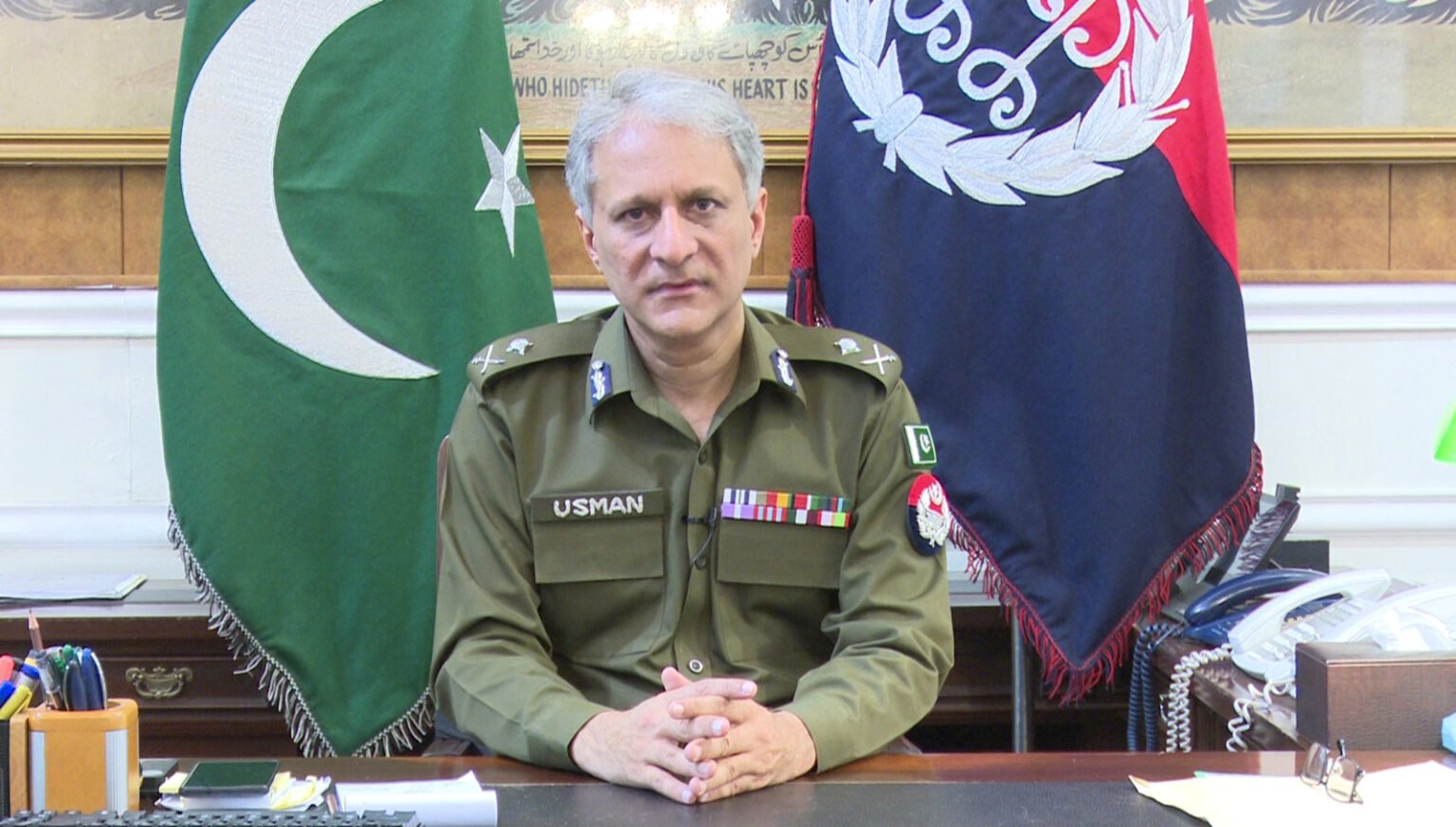
Punjab has never been an easy province to police. With its massive population, complex political ecosystem and evolving security challenges, the office of the Inspector General of Police demands far more than command authority. It requires restraint, vision, administrative discipline and an ability to reform an institution long burdened by inertia and external pressure. Few have managed to meet that standard. Dr Usman Anwar, however, stands among those rare exceptions.
Since assuming office in early 2023, Dr Anwar has approached policing not as a matter of optics but as a long-term institutional responsibility. His tenure has been defined by quiet but decisive reform, driven by an understanding that sustainable law enforcement depends less on spectacle and more on structure, consistency and professional competence.
One of the defining characteristics of his leadership has been his technocratic approach. With a strong academic background and deep understanding of governance, he pushed Punjab Police towards data-driven operations, improved coordination between units and greater reliance on intelligence rather than reactive force. Under his command, the emphasis shifted from episodic crackdowns to continuous, intelligence-led policing aimed at dismantling criminal networks rather than merely disrupting them.
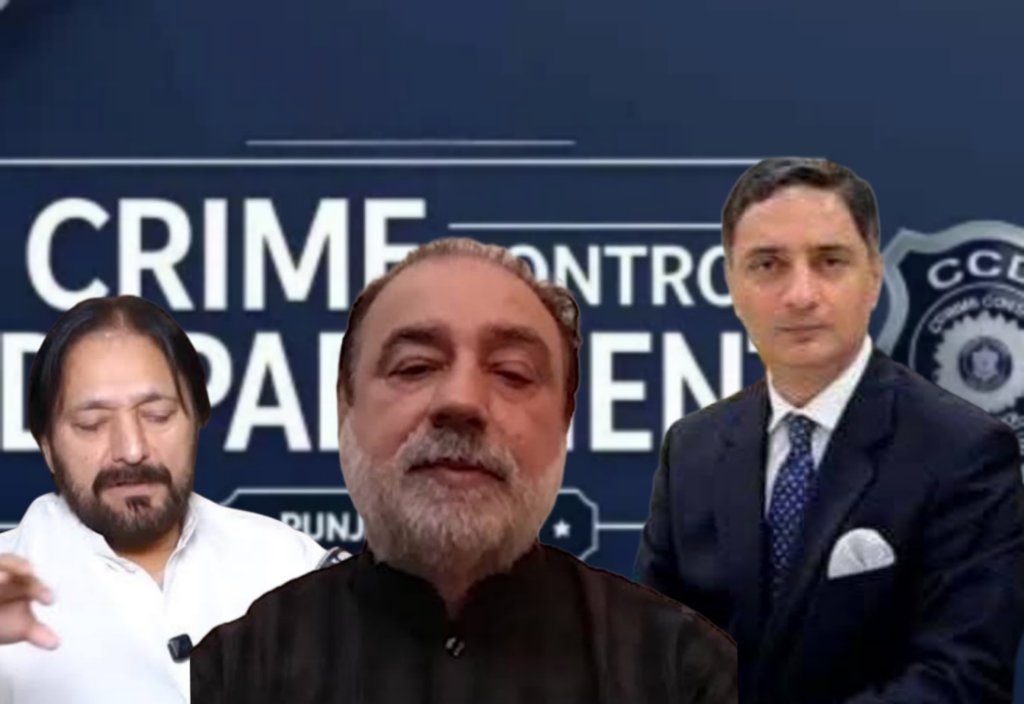
This approach became particularly visible in the restructuring and activation of the Crime Control Department. The CCD, often misunderstood or politicised, was shaped under his supervision into a focused operational arm designed to deal with hardened criminals, organised gangs and repeat offenders. Unlike earlier eras, its operations were guided by intelligence inputs, documentation and legal oversight. The objective was clear: restore the writ of the state while remaining within the bounds of law. The results were visible in sustained operations against criminal networks, recovery of illegal weapons and a noticeable tightening of space for habitual offenders.
Equally significant was Dr Anwar’s emphasis on institutional discipline. For years, stagnation within the police force had eroded morale. Promotions were delayed, career progression was uncertain, and merit often took a back seat. During his tenure, thousands of promotions were processed across ranks, restoring faith in the system and reinforcing the principle that performance would be rewarded. Alongside this, welfare measures for police personnel and their families were strengthened, including financial assistance, medical support and educational facilitation — steps that quietly rebuilt morale within the ranks.
Yet perhaps the most important aspect of Dr Usman Anwar’s leadership has been balance. He demonstrated firmness without authoritarianism, enforcement without excess, and reform without disruption. Even when police actions came under scrutiny, his response reflected institutional maturity rather than defensiveness, reinforcing the idea that accountability and authority are not mutually exclusive.
Public confidence in policing, long eroded by inconsistency and political interference, also showed signs of recovery. Improved complaint mechanisms, greater use of technology, and a more responsive command structure contributed to a gradual restoration of trust. While no police force can entirely escape criticism, the direction of travel under Dr Anwar was clearly towards professionalism and service delivery.
What ultimately sets Dr Usman Anwar apart is that his tenure was not built around personal visibility or media narratives. It was built around systems. He strengthened structures that will continue to function long after individual officeholders change. In an environment where policing is often personality-driven, this institutional approach marks a significant departure.
In the long view of Punjab’s administrative history, his time as Inspector General will be remembered not for slogans or short-term campaigns, but for steady reform, organisational discipline and a clear understanding of what modern policing should look like. That, more than anything else, is why Dr Usman Anwar can rightly be counted among the most effective IGPs Punjab has seen.


 Web Desk
 Web Desk


